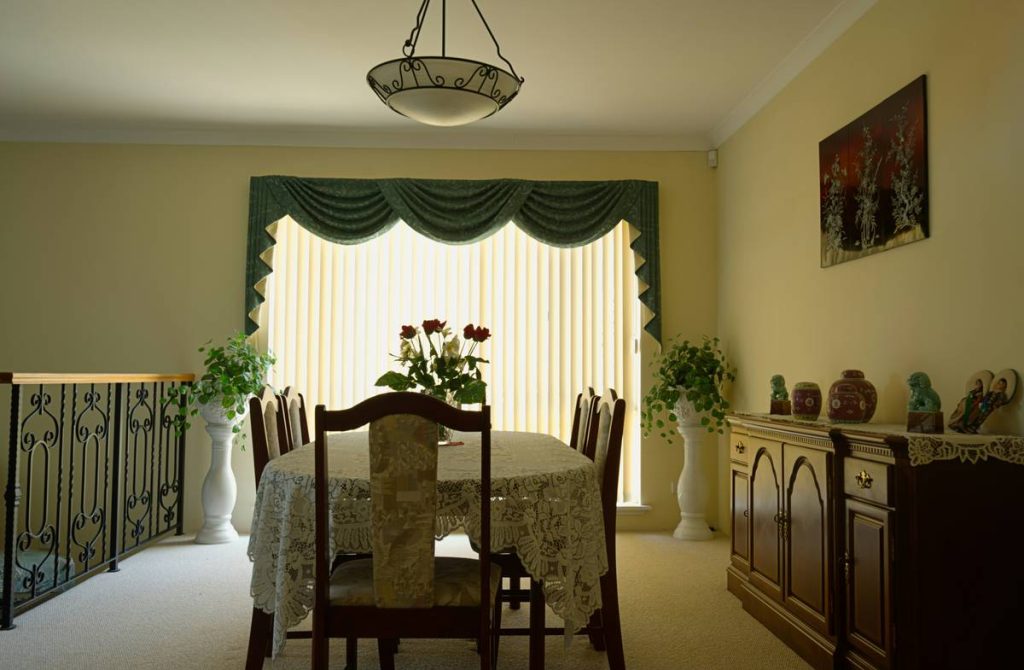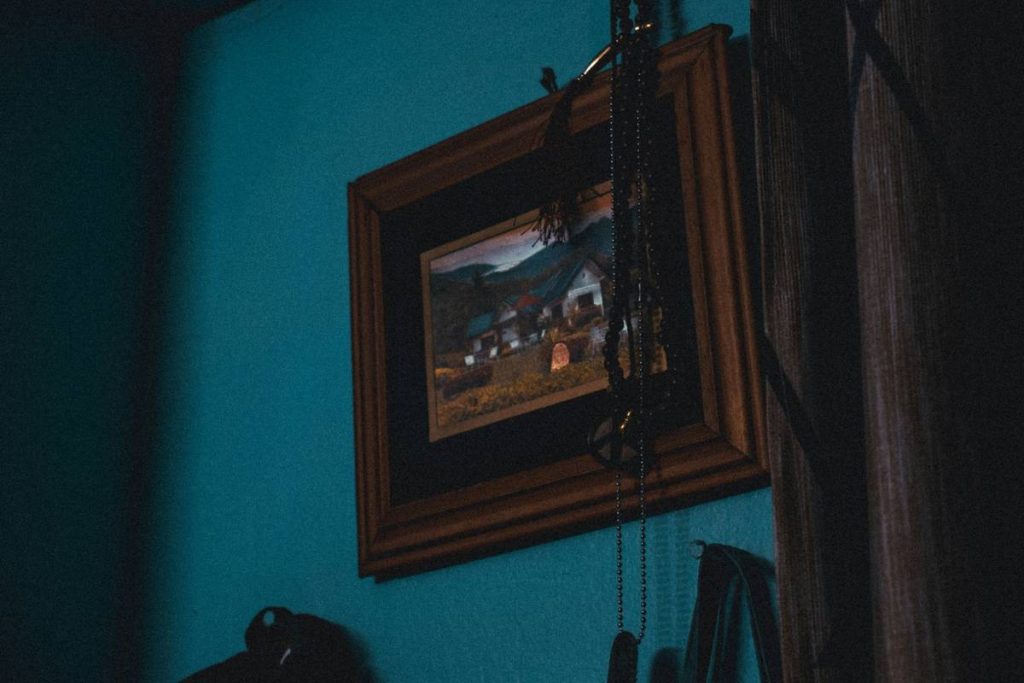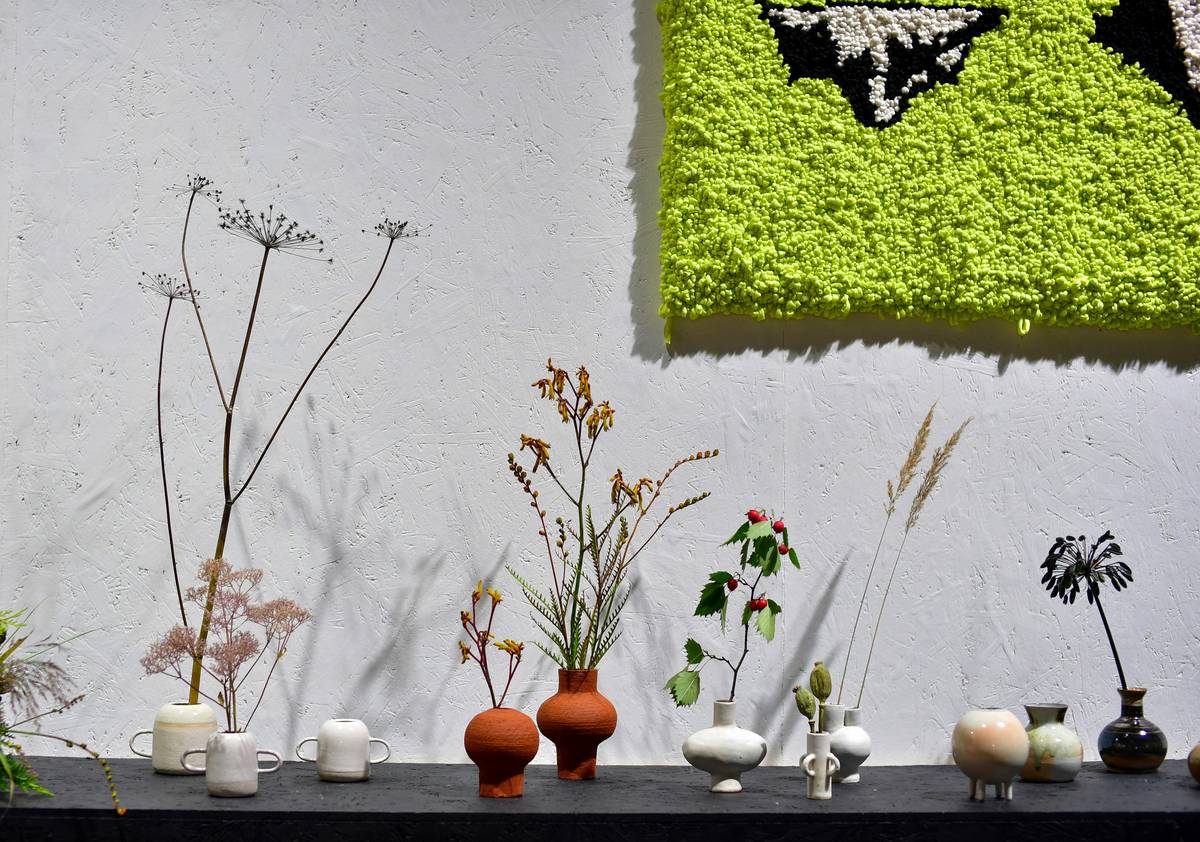
You’ve seen them—those quiet paintings of fruit bowls, vintage books, or ceramic vases hanging above someone’s sofa. They feel classic. Calm. But you can’t quite place why they work. And when you try to buy one for your own space? Overwhelmed by options that look either cheap or museum-stuffy. Here’s the fix: understanding what is still life artwork isn’t about art history—it’s about emotional resonance in your home.
Why “Just Hang a Painting” Fails Miserably
Most homeowners treat still life like background noise. Grab any print. Match the frame to the couch. Done.
Wrong.
Still life thrives on intentionality—on objects chosen because they echo something personal: a grandmother’s teacup, ripe figs from your summer garden, the worn spine of a favorite novel. Without that thread, it’s just clutter with a gilt frame. And yes—cheap mass-produced prints amplify the disconnect. They scream “filler,” not “feeling.”
How to Choose & Style Still Life Artwork That Actually Elevates Your Space
Forget matching paint swatches. Start with mood. Ask: Do I want warmth? Contemplation? Nostalgia? Then curate accordingly.
Pick Objects That Whisper Your Story
A brass compass? Maybe you love travel. A single sunflower in a mason jar? That’s late-summer peace. Your still life should feel like a visual haiku—tiny, dense with meaning. Avoid generic grapes-and-wine clichés unless they genuinely reflect your rhythm.
Scale It Right—or Regret It
Oversized canvases dominate small rooms. Tiny prints vanish on wide walls. Rule of thumb: art should occupy ⅔ the width of the furniture beneath it. Got a 72-inch console? Target 48 inches of visible art (frame included).
Frame Like a Pro (Without Spending Like One)
Black? White? Gold? The answer depends on your hardware finishes. Matte black frames pair seamlessly with modern faucets and matte cabinet pulls. Warm wood tones? Lean into natural oak or walnut. Skip ornate gold unless your home already dances with vintage elegance. Clashing frames = visual static.
| Art Type | Avg. Cost Range | Lifespan (Years) | Emotional Impact |
|---|---|---|---|
| Mass-Produced Print | $15–$50 | 2–5 | Low – feels disposable |
| Local Artist Original | $150–$600 | 20+ | High – carries human energy |
| Museum Replica | $80–$250 | 10–15 | Medium – familiar but distant |
| Digital Custom Still Life | $100–$300 | 5–8 (unless archival printed) | Variable – depends on personalization depth |
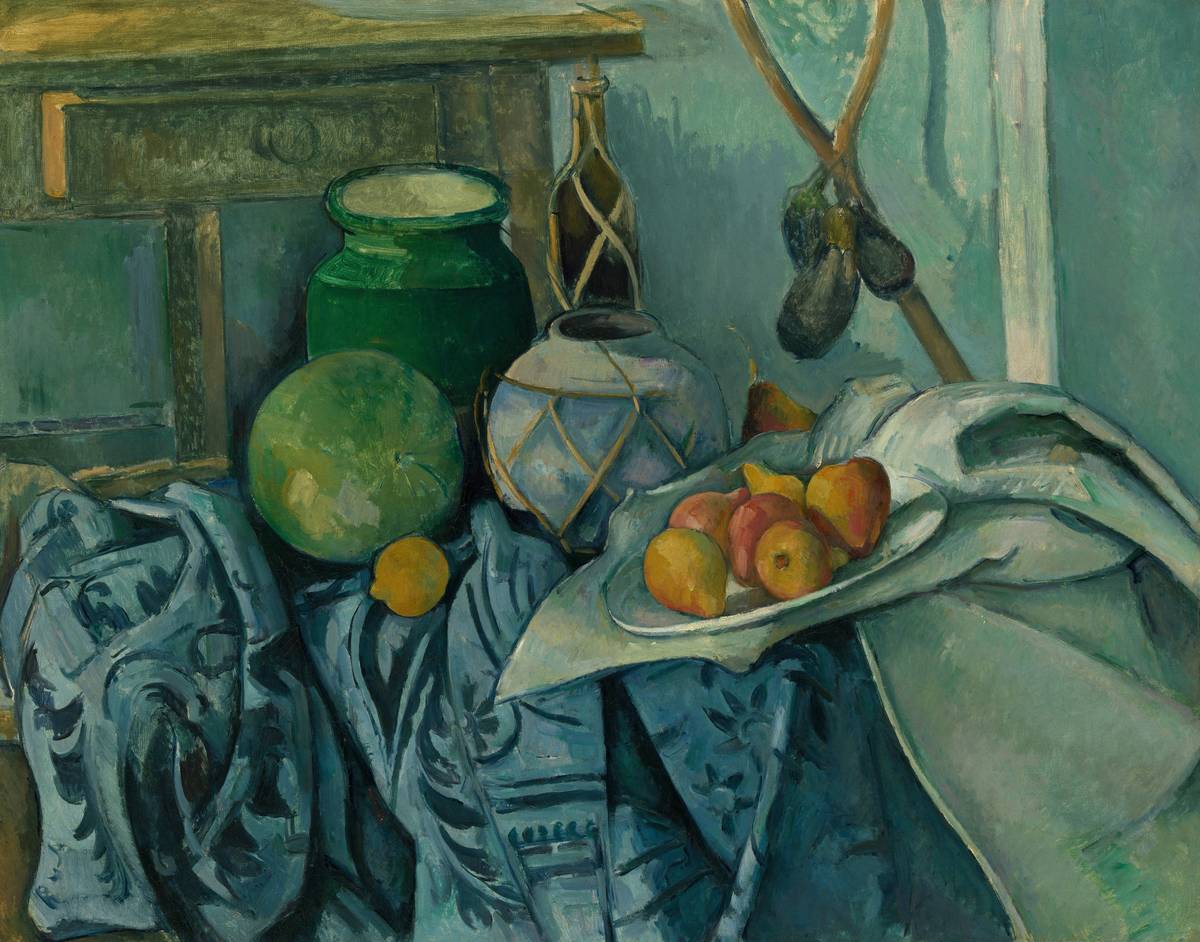
The Industry Secret: Still Life Is a Silence Amplifier
Here’s what interior stylists won’t say outright: still life paintings don’t just decorate—they modulate the acoustic feel of a room. Not sound waves. Emotional ones. In chaotic open-plan homes, a well-placed still life creates a visual “pause button.” Your eye lands on that solitary pear, that folded linen napkin—and your nervous system exhales. That’s why therapists’ offices and luxury boutiques use them. They’re anchors. Not accessories.
And no—AI-generated “still life” art usually misses this. Why? Because algorithms optimize for composition, not emotional memory. Real still life holds a ghost of human presence. That’s irreplaceable.
FAQ
What defines a still life painting?
It features inanimate, everyday objects—fruit, flowers, tools, vessels—arranged intentionally. No people. No landscapes. Just quiet things made significant.
Why do people collect still life artwork?
Because it offers calm focus in visual noise. Collectors often connect personally to the objects depicted—seeing their own stories reflected in humble items.
Can still life fit modern home decor?
Absolutely—if stylized minimally. Think monochrome palettes, clean lines, or abstracted forms. Avoid ornate Baroque flourishes unless that’s your aesthetic anchor.