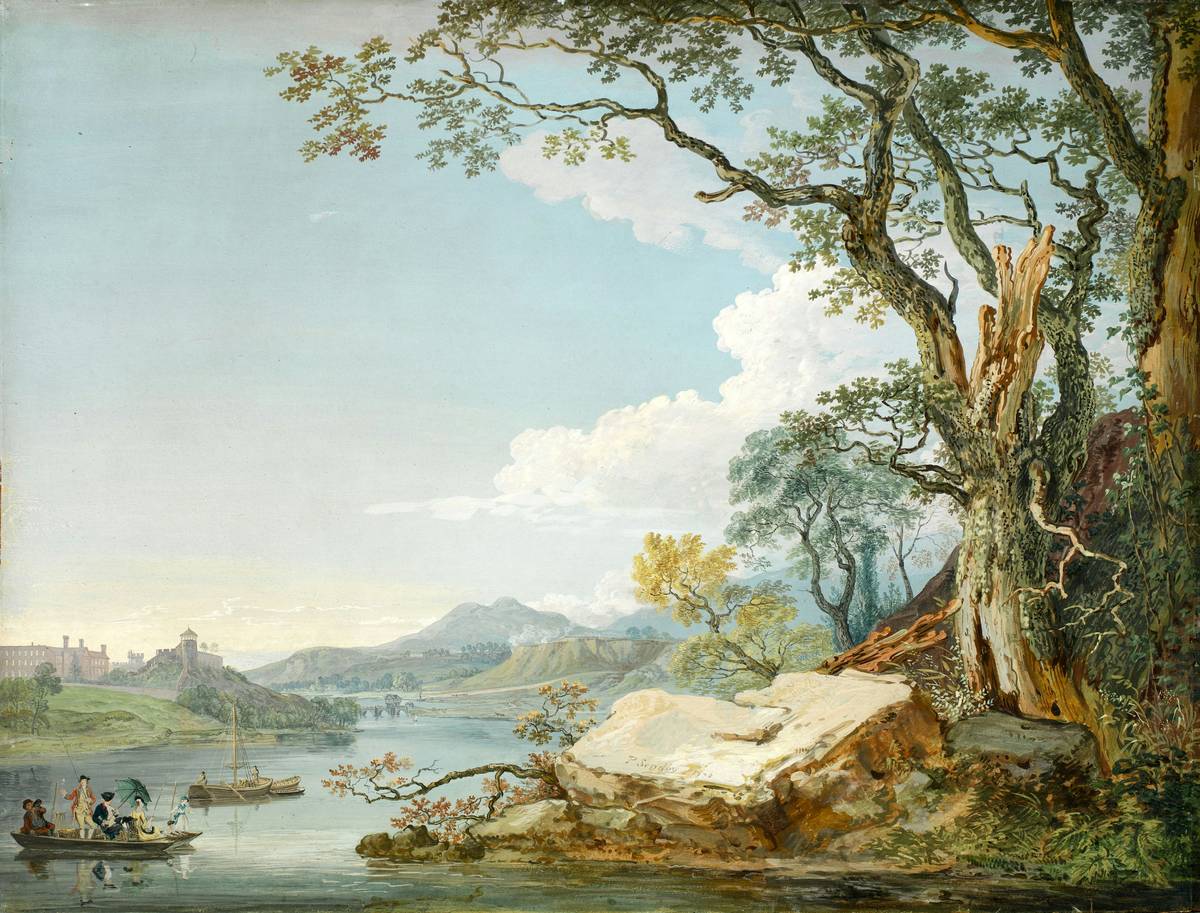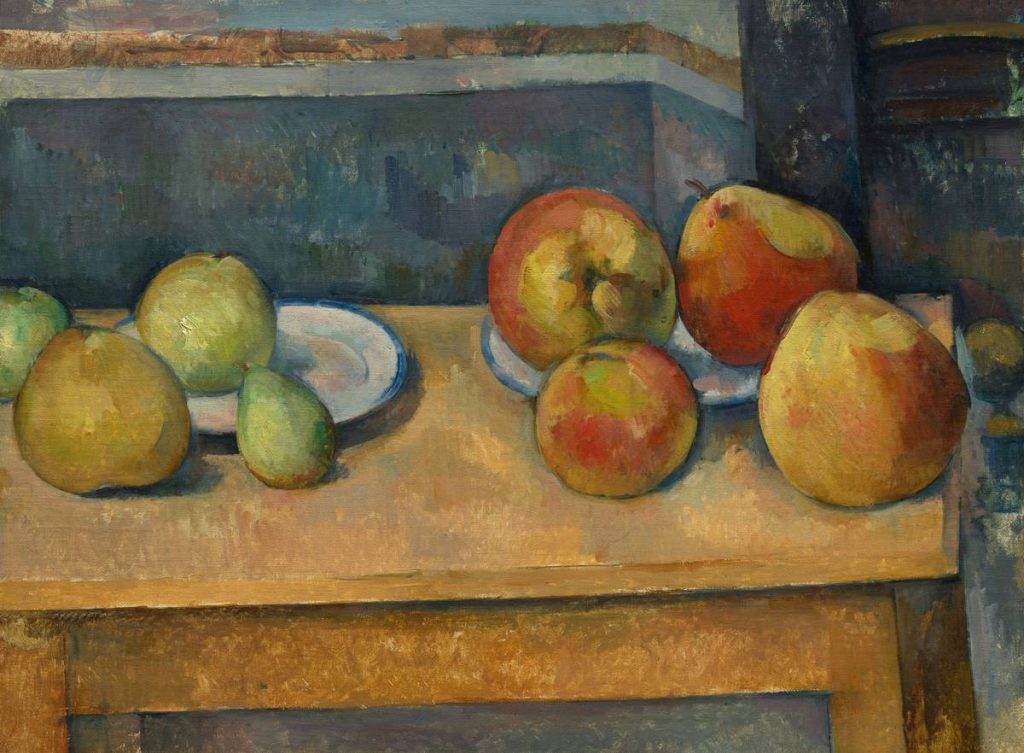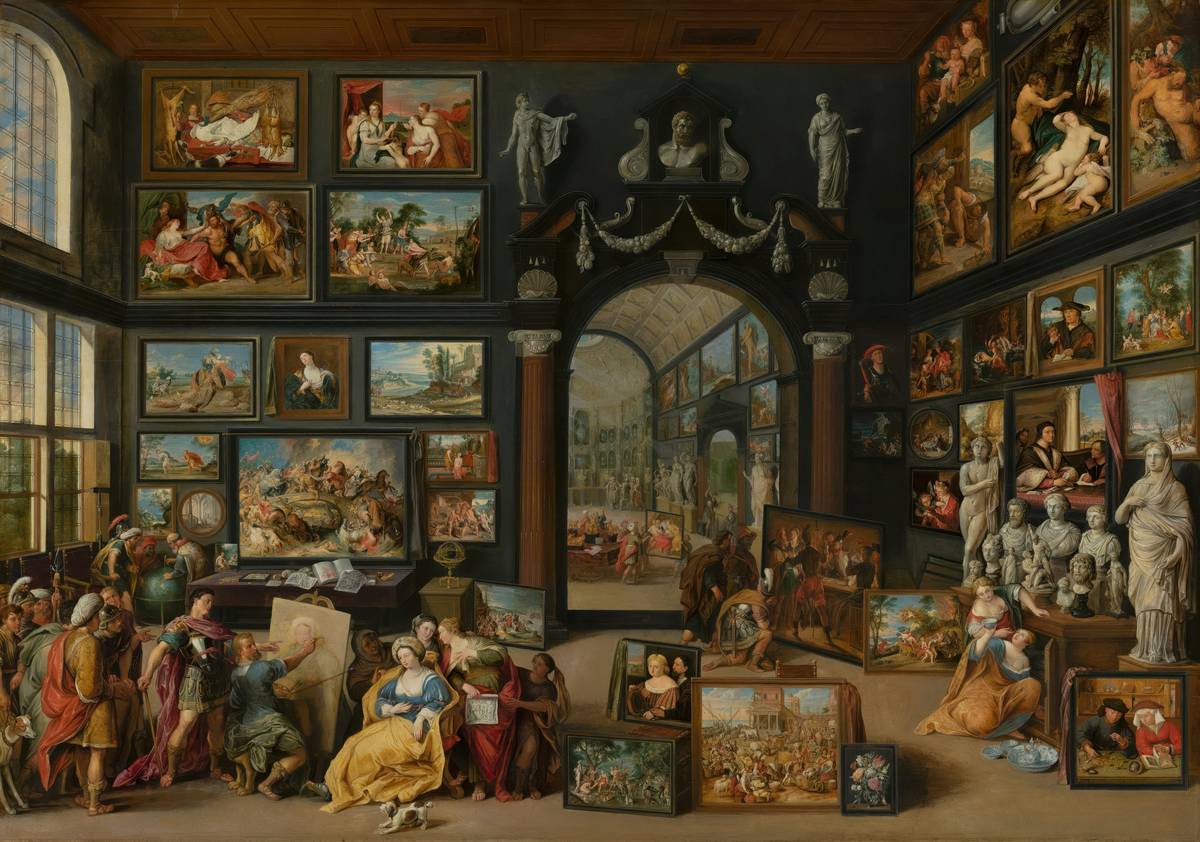
You’ve hung gallery prints. You’ve splurged on designer throw pillows. But your space still feels… sterile. Emotionally flat. Like it’s styled, not lived in. The problem isn’t your taste—it’s the absence of intentional, human-made art. Still life art painting isn’t just decorative filler. It’s a silent storyteller that breathes intimacy into walls. And here’s how to use it right.
Why Mass-Produced “Art” Fails Your Space
Most homeowners buy what’s convenient: generic florals from big-box stores or algorithmically generated “abstracts.” They match the sofa—but say nothing about you. Worse, they lack texture, depth, and the subtle imperfections that signal humanity. Your eye knows this, even if your brain doesn’t articulate it. That’s why rooms feel “off,” even when everything “matches.”
And let’s be honest—cheap reproductions scream temporary. Disposability. Not legacy.
How to Integrate Still Life Art Painting Authentically
Forget slapping any old canvas on the wall. True impact comes from alignment—between object, setting, and story. Start by rejecting the myth that still life is “just fruit bowls.” Modern interpretations include weathered tools, vintage apothecary bottles, or single wilted roses against concrete. Mood matters more than subject.
Selecting the Right Medium & Scale
Oil? Acrylic? Watercolor? Each carries emotional weight. Oils offer richness and timelessness—ideal for dining rooms or studies. Acrylics are crisp and contemporary, perfect for minimalist spaces. Watercolors whisper delicacy—best in bedrooms or reading nooks. Scale should command attention without overwhelming. A 24″x30″ piece often anchors a standard living room wall better than three small ones.
Placement Psychology: Where Still Life Lives Best
Avoid defaulting to above the sofa. Try unexpected zones: a narrow hallway where light grazes the surface, or beside a bathroom mirror to create reflective dialogue. The goal? Make viewers pause—not just glance.
| Approach | Cost Range | Time Investment | Ideal For |
|---|---|---|---|
| Commission Original Work | $300–$2,500+ | 4–8 weeks | Heirloom spaces, personalized narratives |
| Buy Emerging Artist Prints | $75–$250 | 1–2 weeks shipping | Budget-conscious authenticity seekers |
| DIY Still Life Painting | $40–$120 (materials) | Weekend project | Hands-on creators craving personal connection |
The Industry Secret: Still Life as Emotional Anchoring
Here’s what galleries won’t tell you: still life paintings function as spatial anchors for memory. A bowl of lemons isn’t about citrus—it’s about summer mornings, childhood kitchens, or a loved one’s favorite snack. When clients tell me their home “feels empty,” I don’t suggest more furniture. I ask: what moment do you want preserved? Then we build the artwork around that.
One client chose a still life with chipped teacups—the exact pattern her grandmother used. Every guest who enters now lingers near it. Not because it’s “art.” Because it’s a portal.
Think about it. Your walls shouldn’t echo trends. They should echo truth.
Frequently Asked Questions
Is still life art painting outdated?
No. Contemporary artists reinvent still life daily—using urban debris, digital hybrids, or monochromatic palettes. Outdated is buying soulless reproductions, not the genre itself.
Where should I hang a still life painting?
Hang it where quiet moments happen: beside a reading chair, in an entryway alcove, or opposite your bed. Avoid high-traffic zones where it becomes visual noise.
Can I mix still life with other art styles?
Absolutely—but limit to two styles max per room. Pair still life with abstract expressionism for tension, or botanical prints for harmony. Never crowd it with competing figurative work.