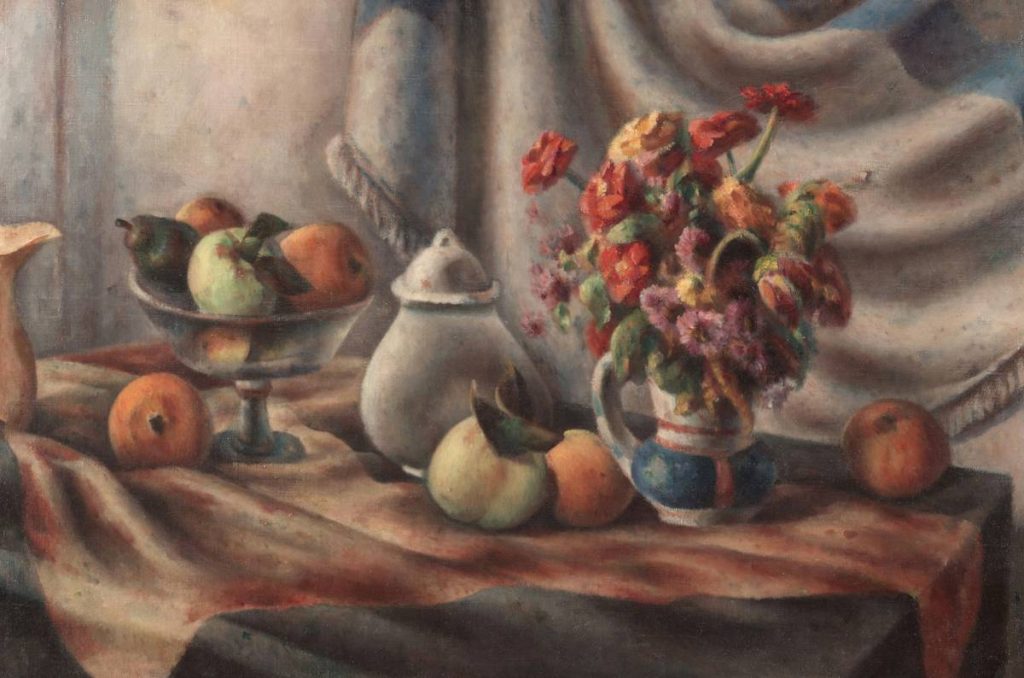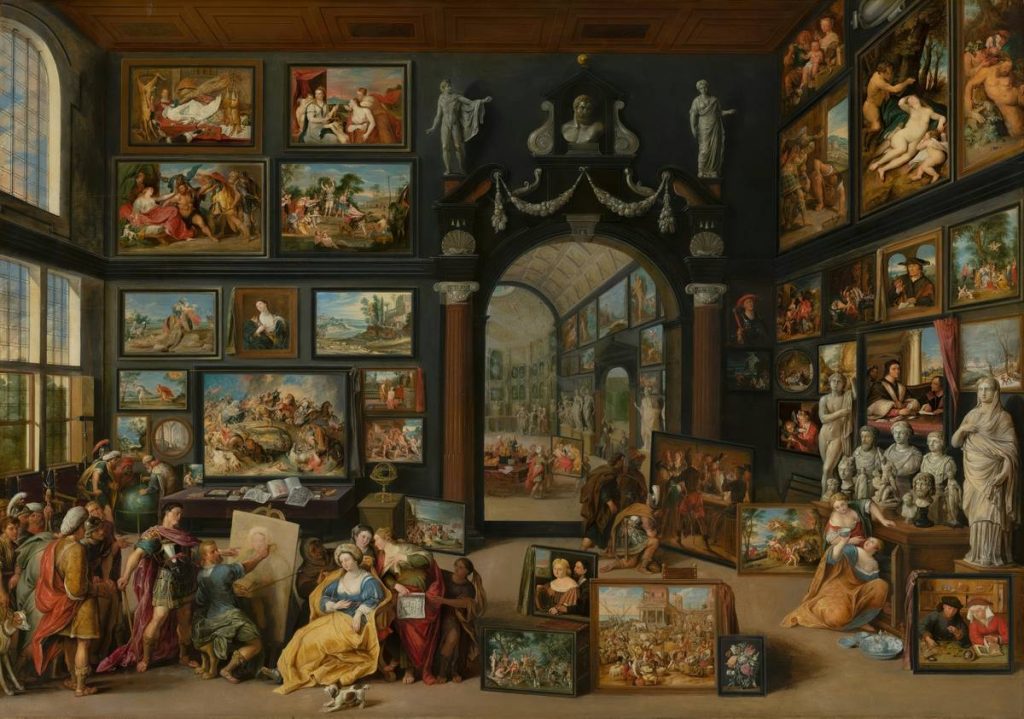
You’ve hung abstracts. You’ve tried landscapes. But your walls still feel… empty. Not unfinished—just emotionally inert. That’s the problem with trend-chasing decor. It lacks narrative weight. Classic still life paintings offer something modern prints can’t: intentionality, depth, and centuries of quiet confidence.
Why Most Homeowners Get Still Life Art Wrong
They treat it like background noise. Buy cheap reproductions. Hang them too high or in dim hallways. Then wonder why the room feels sterile. Classic still life paintings aren’t decorative fillers—they’re focal anchors. The mistake? Prioritizing price over presence. A $30 print of a Caravaggio fruit bowl next to IKEA furniture screams “afterthought,” not “curated.”
And here’s the reality: mass-produced still lifes often flatten light, mute texture, and erase brushwork—the very elements that give these works their soul.
How to Integrate classic still life paintings into Your Home Like a Pro
Selecting the Right Era & Subject
Dutch 17th-century? Think rich textures—peeled lemons, tarnished silver, wilting blooms. French 19th-century? Cleaner lines, porcelain, controlled compositions. Match the painting’s mood to your room’s function. A somber Vanitas piece belongs in a study—not above your breakfast nook.
Sizing & Placement That Commands Attention
Oversized sofas demand oversized art. Rule of thumb: artwork should occupy two-thirds the width of your furniture below it. Hang so the center aligns with eye level (roughly 57–60 inches from floor). Never tuck it into a shadowed corner—still life thrives under directional light that mimics its original chiaroscuro drama.
Framing Without Compromise
A gilded Baroque frame on a Dutch still life? Yes. A floating acrylic frame? Hard no. Authenticity matters—even if you’re buying a quality reproduction. The frame is part of the storytelling.
| Option | Cost Range | Visual Impact | Best For |
|---|---|---|---|
| Museum-grade Giclée Print | $150–$600 | High (if properly framed & lit) | Most homeowners seeking authenticity without auctions |
| Original Antique (Pre-1900) | $2,000–$20,000+ | Exceptional (tactile depth, historical aura) | Collectors or serious interior storytellers |
| Mass-market Poster | $10–$40 | Low (flat, lifeless under scrutiny) | Temporary spaces only—never invest emotional energy here |

The Industry Secret: Still Life as Spatial Alchemy
Here’s what galleries won’t tell you: classic still life paintings manipulate perceived space. A tightly composed tabletop scene with receding objects creates subtle depth cues—making narrow rooms feel longer. Paintings with reflective surfaces (glass, metal) bounce ambient light psychologically, even if they don’t physically illuminate. I once advised a client with a cramped NYC apartment to hang a Heda-inspired still life opposite a window. Result? Guests consistently guessed the room was 20% larger. The math is simple: visual recession = spatial expansion.
But—and this is critical—you must avoid cluttered compositions in small spaces. Opt for sparse arrangements: one vase, one book, one pear. Less object = more breathing room.

Frequently Asked Questions
Are classic still life paintings outdated for modern interiors?
No—if styled intentionally. Pair a 17th-century Dutch still life with minimalist furniture to create tension that feels curated, not chaotic.
Where’s the best place to buy authentic reproductions?
Museum shops (Rijksmuseum, Louvre) or specialty fine art printers like MUSEO Editions. Avoid Amazon “wall art” bundles—they’re digitally flattened.
Do I need special lighting for classic still life paintings?
Yes. Use adjustable LED spotlights at a 30-degree angle to mimic natural window light. Avoid overhead glare—it kills dimensionality.