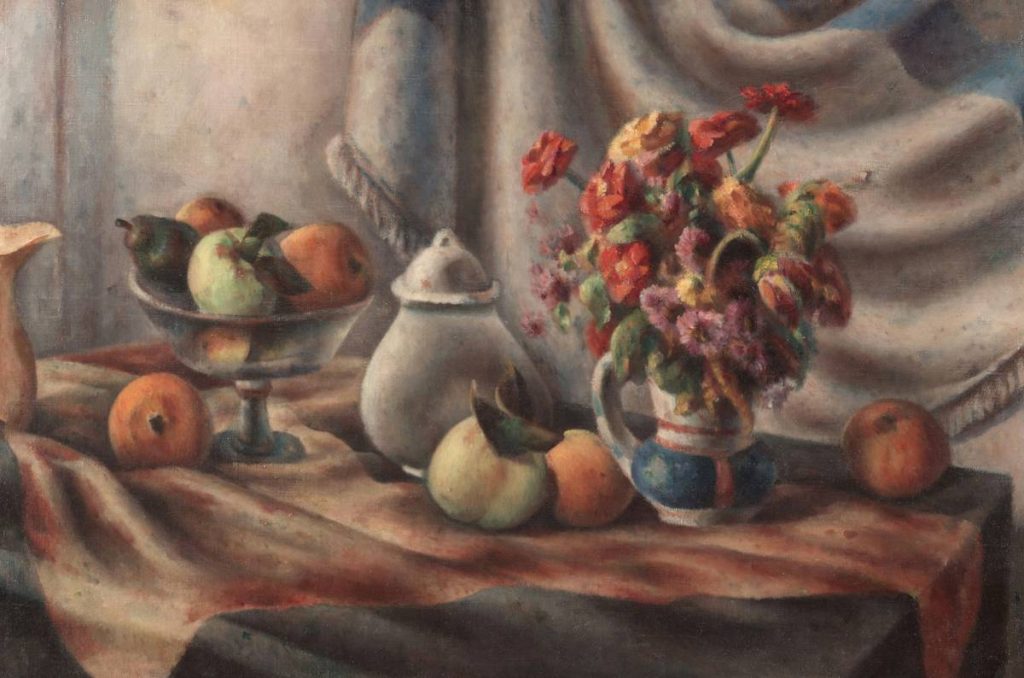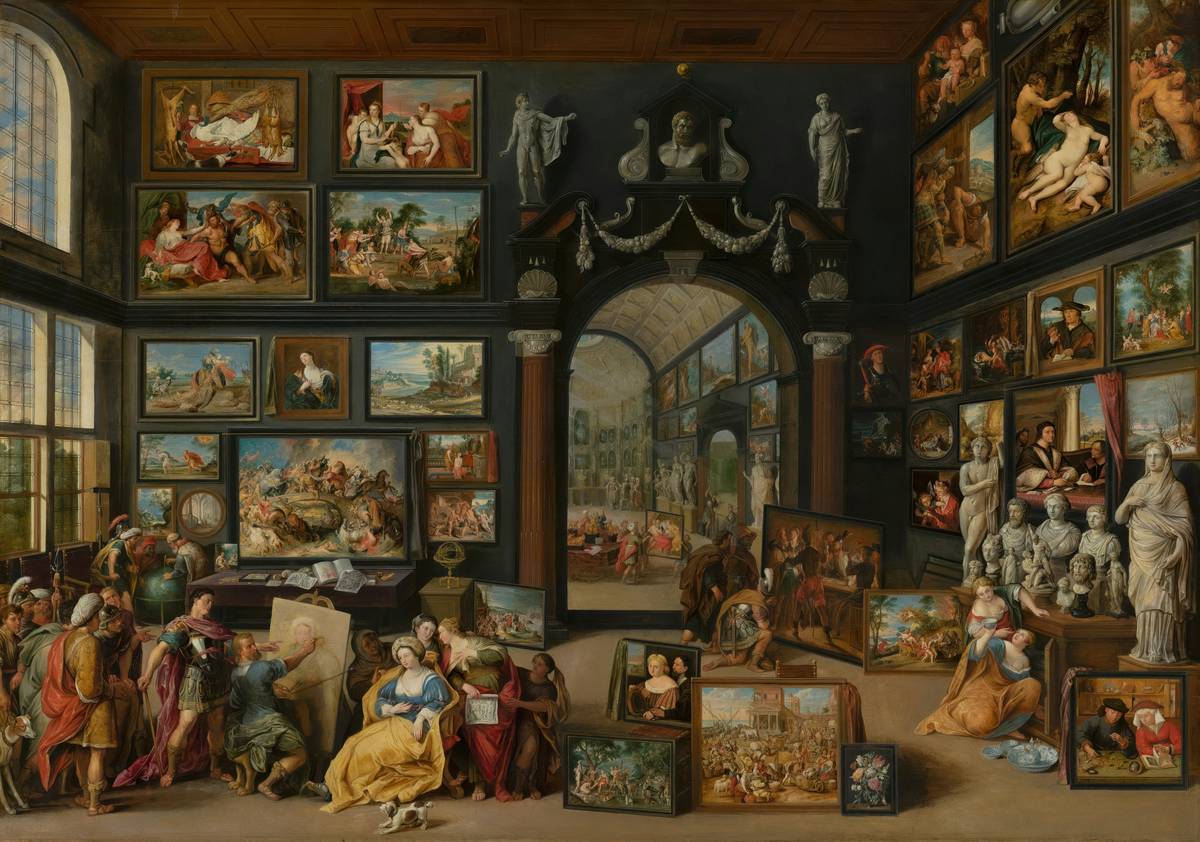
You’ve scrolled past dozens of mass-produced prints—flat, soulless, forgettable. They fill wall space but say nothing. And that’s the problem: your walls deserve more than decoration. They deserve dialogue. Antique still life paintings offer texture, history, and quiet rebellion against throwaway aesthetics. Not just art—they’re anchors.
Why Modern “Decor Art” Fails to Resonate
Most home stylists treat walls like afterthoughts—fill them with cheap reproductions or generic botanical prints because they “match the couch.” Big mistake. These pieces vanish into visual white noise. They don’t age gracefully; they yellow, peel, or feel instantly dated.
And here’s the brutal truth: algorithm-driven decor trends favor speed over substance. You get a room that looks curated—but only until someone asks, “What’s the story behind that?”
Genuine character? Emotional weight? That comes from objects with provenance. From brushstrokes laid down when lemons were symbols of luxury, not Instagram props.
How to Source & Style Authentic Antique Still Life Paintings
Forget scouring Etsy for “vintage-style” knockoffs. Real antique still life paintings demand intention—not algorithms.
Step 1: Define Your Era & Motif
Dutch Golden Age? French Academic? Early American provincial? Each carries distinct symbolism. A 17th-century Dutch painting might feature oysters and wine—symbols of transience and indulgence. Later 19th-century American works lean toward humble fruit bowls with moral undertones.
Step 2: Verify Provenance (Without Breaking the Bank)
You don’t need Sotheby’s. Look for craquelure (fine surface cracks), hand-stretched canvas, and period-appropriate frames. If it’s labeled “after Heda” or “in the manner of,” it’s likely a later reproduction—but could still be 100+ years old and full of charm.
Step 3: Placement That Commands Respect
Never hang an  above a TV. These works thrive in contemplative zones: hallways, reading nooks, dining rooms. Let them breathe. Frame lighting matters—warm LEDs, never cool white.
| Sourcing Method | Average Cost Range | Risk of Forgery | Best For |
|---|---|---|---|
| Estate Auctions (local/regional) | $200–$1,500 | Low-Medium | Beginners seeking genuine age & value |
| Antique Shops (brick-and-mortar) | $500–$3,000 | Low | Buyers wanting expert curation & return policy |
| Online Marketplaces (e.g., 1stDibs, Chairish) | $800–$10,000+ | Medium-High | Collectors needing convenience & high-end pieces |
| Church/Guild Sales (Europe) | $75–$600 | Very Low | Budget hunters willing to travel |
Step 4: Clean—Don’t Restore
Unless flaking or mold is present, leave conservation to professionals. A light dusting with a soft brush suffices. Over-cleaning strips patina—the very thing that whispers “this survived centuries.”
The Industry Secret: Dealers Hide the Best Pieces in Plain Sight
Here’s what auction houses won’t tell you: many authentic antique still life paintings are mislabeled as “continental school” or “anonymous 19th c.” Why? Because identifying them properly takes time—and time costs money. So they batch them as “decorative lots.”
I tracked a client’s $320 “decorative oil” back to a minor but documented Antwerp guild painter—now appraised at $8,500. The math is simple: learn the visual language of brushwork, fruit arrangement, and background depth. Then hunt the overlooked corners of estate sales. That’s where real gems sleep.

Frequently Asked Questions
Are antique still life paintings a good investment?
Not all—but well-sourced pieces with identifiable traits often appreciate quietly. More importantly, they’re immune to trend cycles.
How do I tell if it’s truly antique?
Check canvas weave, pigment cracking, frame joinery, and backboard labels. Modern reproductions rarely mimic pre-1900 construction accurately.
Can I hang them in a sunny room?
Avoid direct sunlight. UV rays fade organic pigments fast. Indirect natural light? Perfect—it enhances depth without damage.