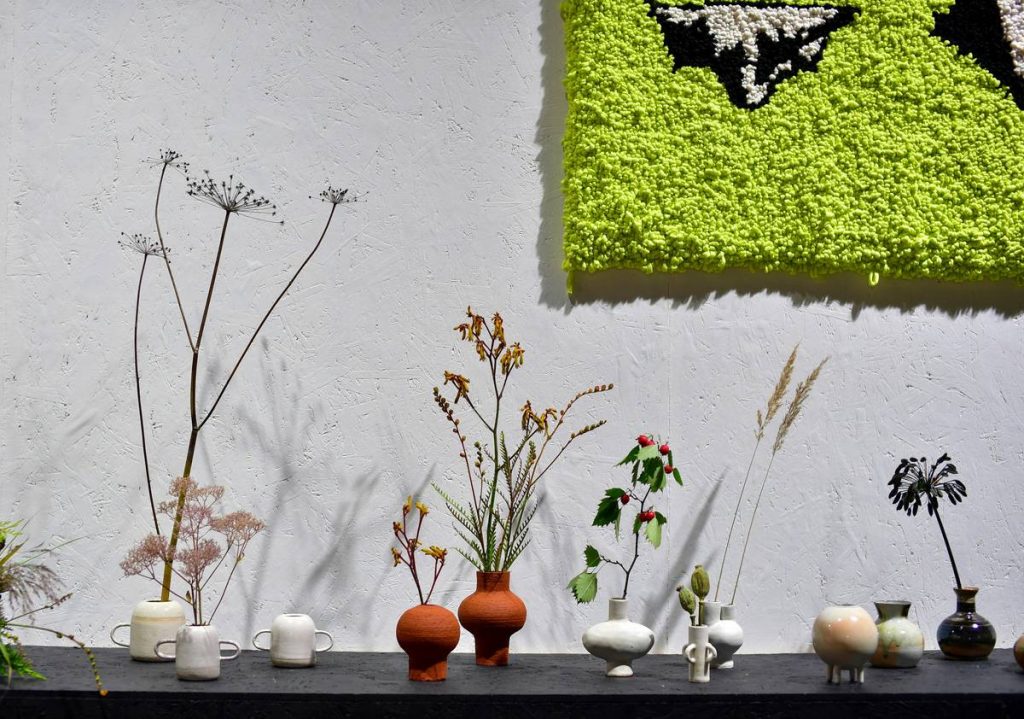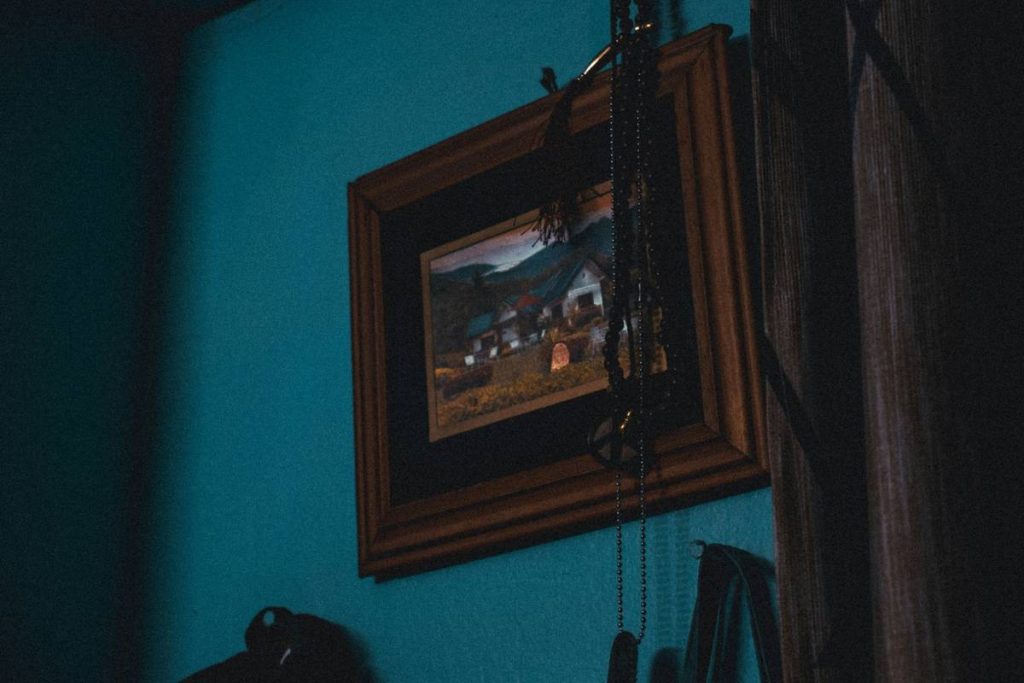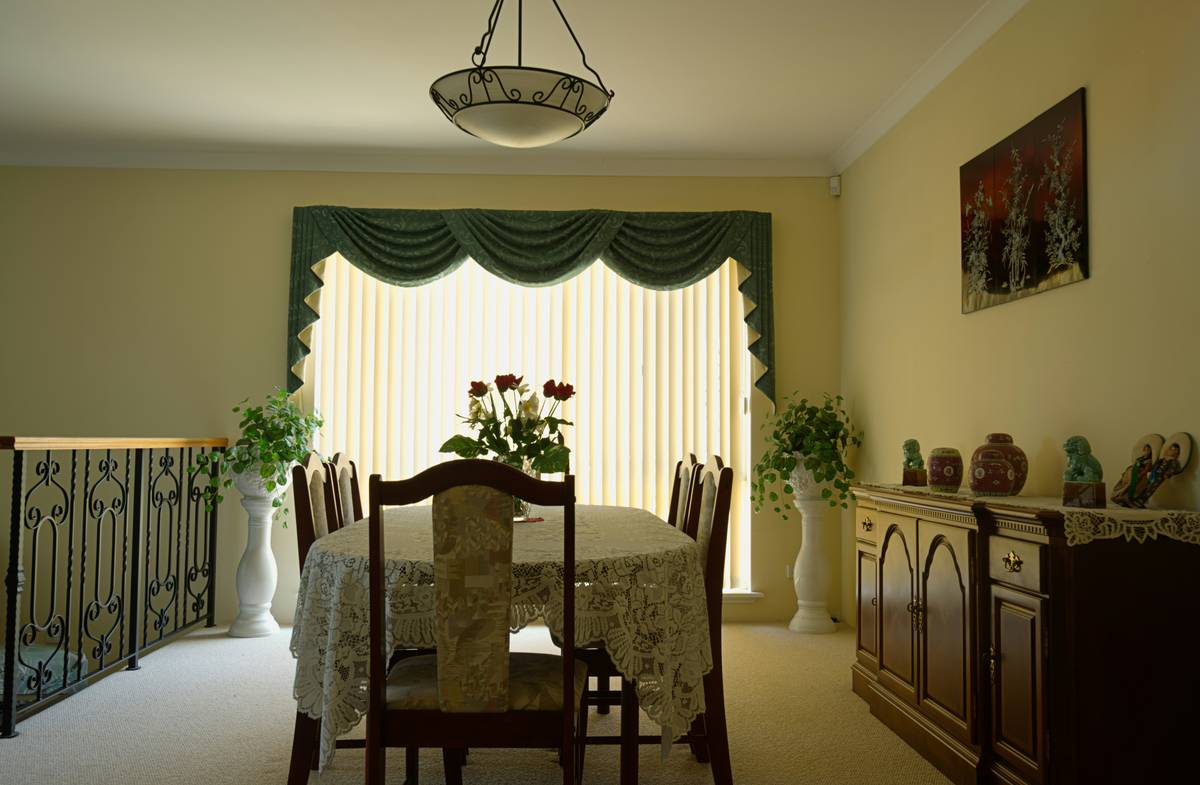
You’ve rearranged the furniture. Painted the walls. Bought “designer” throw pillows. But your space still feels… hollow. Cold. Like a showroom with no soul. That’s because you’re skipping the emotional anchor every room needs: intentional art. And still life art prints aren’t just pretty pictures—they’re silent mood-setters that cost a fraction of original work but deliver 90% of the impact.
Why Mass-Produced Wall Decor Fails (Even When It Looks “Nice”)
Most people grab generic botanical prints or abstract blobs from big-box stores. The result? A sea of sameness. Your neighbor has it. Your dentist’s waiting room has it. Your Instagram feed is drowning in it. And none of it *talks* to you.
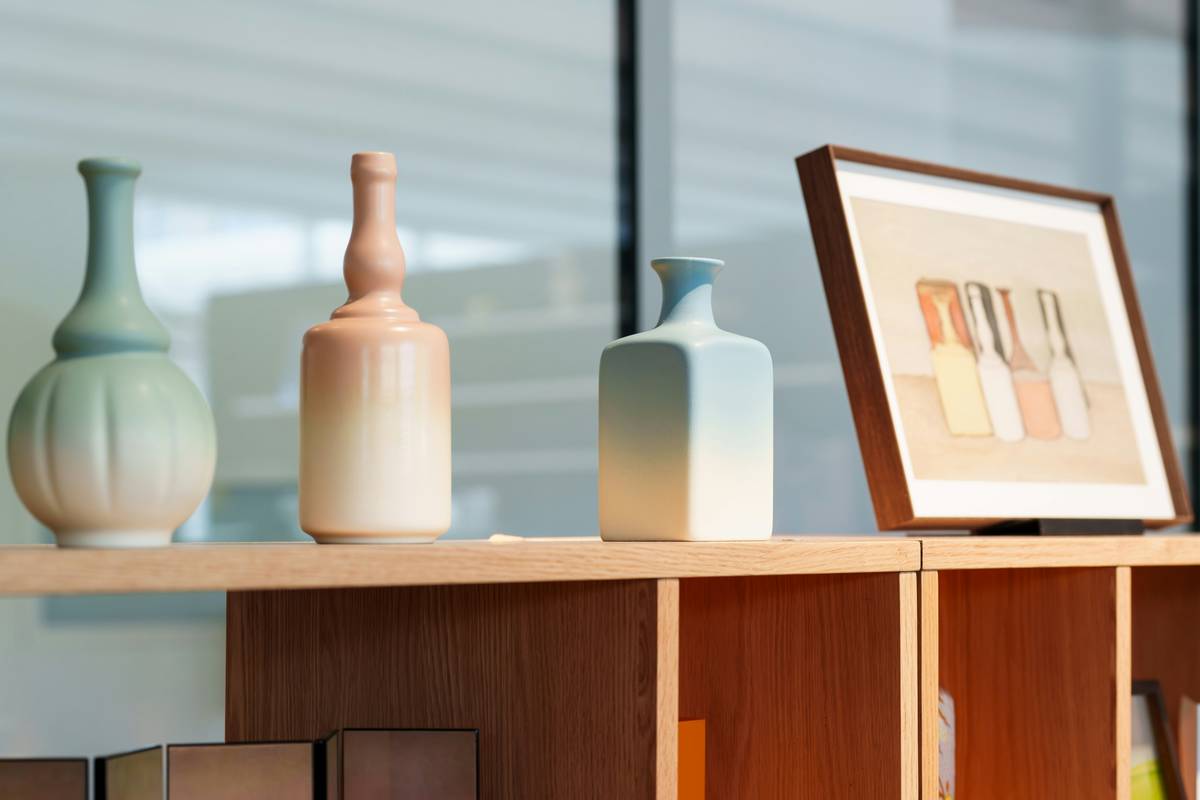
Still life compositions—from Dutch Golden Age fruit bowls to modern minimalist arrangements—carry narrative weight. A wilting flower. A half-peeled lemon. A chipped teacup. These details whisper stories. Generic decor shouts nothing.
How to Choose & Style Still Life Art Prints That Actually Transform a Room
Forget slapping anything on the wall and calling it “decor.” Thoughtful curation turns prints into conversation starters. Here’s how:
Pick Scale Based on Architecture, Not Instinct
Huge wall over a sofa? Go large—but not poster-sized. Oversized prints in cheap frames scream “afterthought.” Measure your wall. Subtract 6–12 inches from width. That’s your ideal print size. Pro move: float-mount thick paper prints without glass for a gallery feel.
Match Mood, Not Just Color Palette
Your beige couch doesn’t need a beige painting. It needs contrast with harmony. Moody kitchen? Try a sun-drenched citrus still life—it’ll energize the space. Cluttered home office? Opt for a sparse ink-on-rice-paper arrangement. The tension creates calm.
Frame Like a Collector, Not a Homeowner
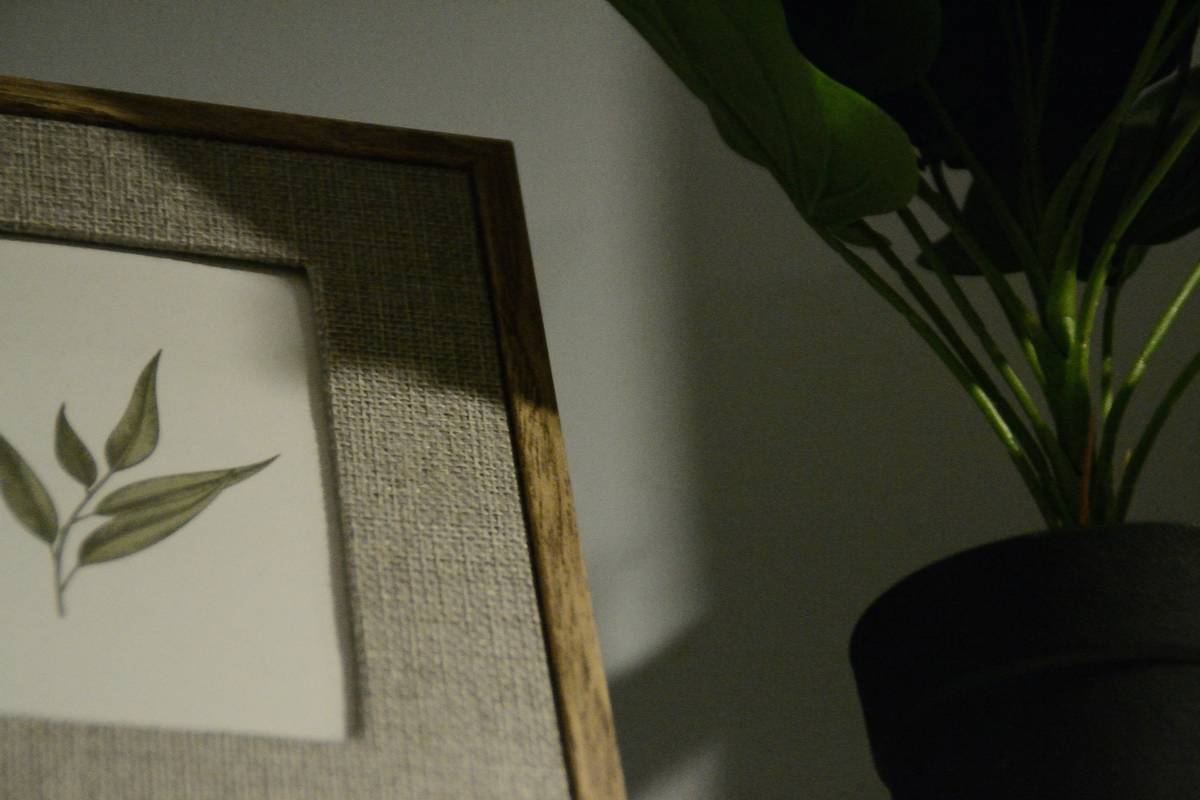
Ditch black plastic “ready-made” frames. Real collectors mix materials: weathered wood for vintage reproductions, raw aluminum for contemporary pieces. And never match all frames identically—slight variations signal authenticity.
| Print Type | Avg. Cost Range | Lifespan (With Care) | Best For |
|---|---|---|---|
| Museum-quality giclée | $80–$300 | 50+ years | Focal walls, heirloom spaces |
| Archival inkjet (acid-free paper) | $40–$120 | 20–30 years | Bedrooms, hallways, rentals |
| Standard poster print | $10–$30 | 2–5 years (fades fast) | Temporary setups, kids’ rooms |
The Industry Secret: Curate by Light, Not Theme
Here’s what interior stylists won’t tell you: lighting trumps subject matter. A dim north-facing hallway? Avoid dark-toned still lifes—they’ll vanish. Instead, choose high-contrast prints with white backgrounds (think porcelain on linen). South-facing rooms get blasted with sun; go for saturated pigments that won’t bleach out in six months. And never hang reflective glass over art in direct light—it kills the texture. Matte finishes absorb glare and make brushstrokes feel tactile, even in reproduction. The math is simple: right light + right finish = perceived value skyrockets.
Frequently Asked Questions
Are still life art prints considered outdated?
No—if sourced intentionally. Contemporary artists reinterpret still life daily. Look for asymmetrical compositions, unexpected objects (circuit boards, dried weeds), or monochrome palettes.
Where should I hang still life prints in a small apartment?
Above eye level in entryways or beside mirrors. They trick the eye into sensing depth. Avoid cramming them into already busy zones like above TVs.
Can I mix still life prints with other art genres?
Absolutely—but limit to one dominant genre per wall. Pair a floral still life with an abstract landscape only if they share a single unifying color or frame style.