You’ve staged the couch. Curated the throw pillows. Even swapped out that sad lamp for a sculptural floor number. Yet something still feels… flat. Generic. Like your space is missing a soul—not just style. Mass-produced wall decor floods the market, but it lacks depth, narrative, and timelessness. Here’s the fix: still life framed art. Not as dusty heirlooms, but as deliberate design anchors that command attention without shouting.
Why Most Wall Decor Fails to Transform a Room
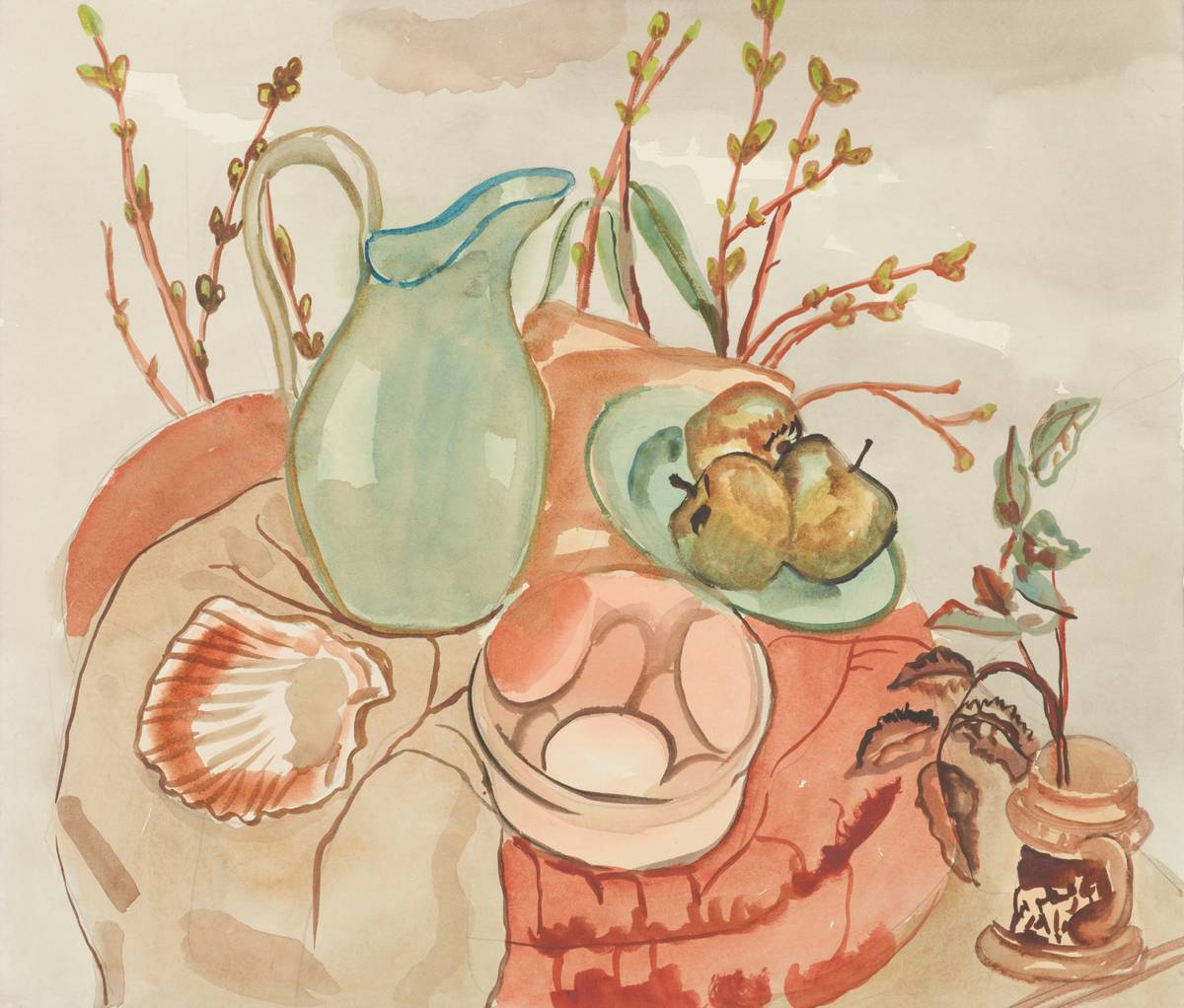
People treat wall art like wallpaper filler—something to break up blankness, not define character. They buy cheap canvas prints that fade in six months or oversized motivational quotes that scream “temporary rental.” The problem? These lack intentionality. Still life isn’t just fruit in a bowl—it’s composition, shadow, texture, and quiet confidence. And when poorly executed or randomly chosen, it disappears into visual noise. Worse—it cheapens everything around it.
Think about it. A room with neutral tones and clean lines doesn’t need “more color.” It needs contrast, subtlety, and a focal point that invites lingering. That’s where curated still life framed art steps in. Not loud. Not trendy. Just profoundly present.
How to Choose & Style Still Life Framed Art Like a Pro
Forget random online shopping. This is about strategy, placement, and material integrity.
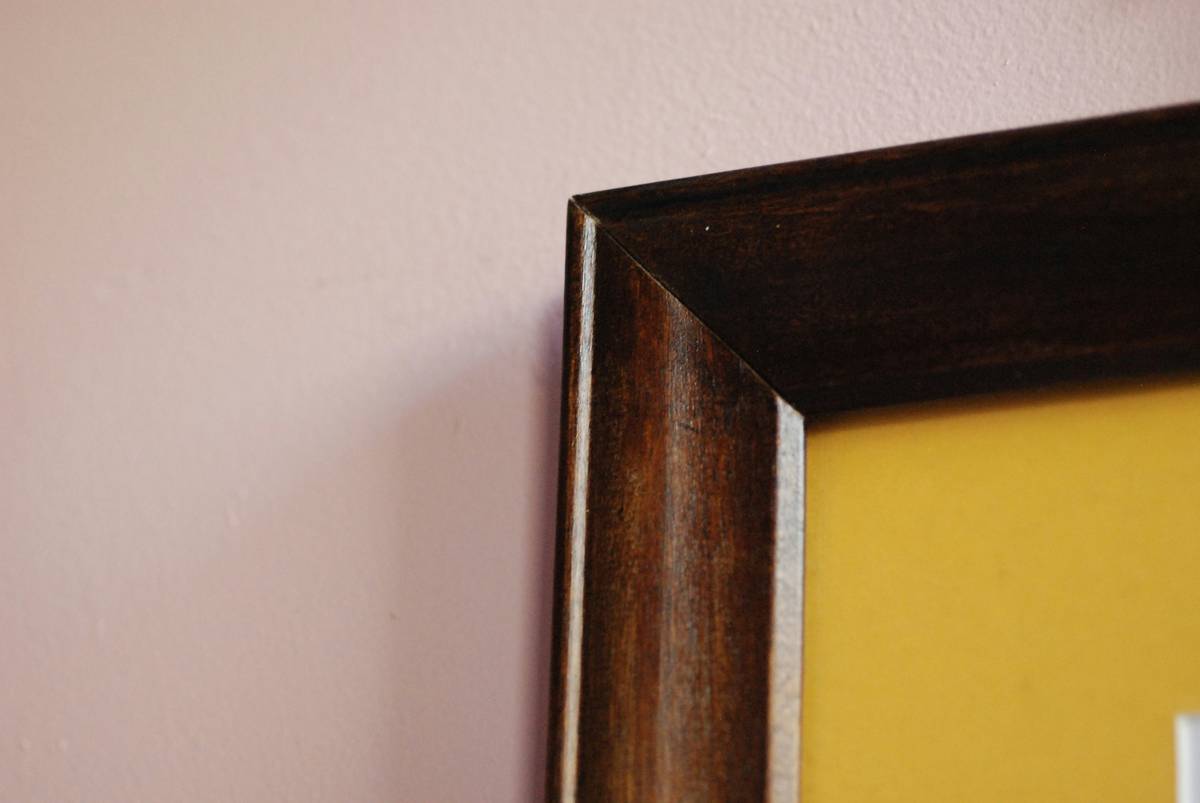
Match Frame Finish to Your Hardware
If your doorknobs are matte black, don’t hang gold-gilded frames. If your faucets are brushed nickel, lean toward silver or painted wood. Cohesion matters more than contrast here. The frame should whisper, not compete.
Scale with Purpose
A massive oil-on-canvas still life over a petite console? Disastrous. Go too small above a king bed? Invisible. Rule of thumb: art should occupy 60–75% of your furniture’s width. Measure first. Buy second.
Prioritize Archival Quality
UV-resistant glass. Acid-free matting. Stable backing. Skip these, and your investment yellows, warps, or cracks within two years. Real still life framed art lasts decades—not seasons.
| Art Type | Average Cost Range | Lifespan (with proper care) | Best For |
|---|---|---|---|
| Giclée Print (archival ink, museum glass) | $120 – $400 | 25+ years | Modern spaces, budget-conscious buyers seeking longevity |
| Original Oil on Canvas | $600 – $3,000+ | Generational | Collectors, high-end interiors, statement walls |
| Mass-Market Poster (standard glass) | $30 – $90 | 1–3 years | Rental properties, temporary staging only |
The Industry Secret: Lighting Makes or Breaks Still Life
Here’s what galleries won’t tell you: still life lives in the interplay of light and shadow. Hang yours under harsh overhead LEDs? It flattens. Place it in a dim corner? Details vanish. The fix? Directional accent lighting—like a 2700K LED picture light mounted above the frame. It casts a gentle pool that mimics natural window glow, revealing brushstrokes, glazes, and depth. And—this is key—never use daylight bulbs (5000K+). They bleach warmth right out of ochres and umbers. The math is simple: wrong light = wasted art.
Frequently Asked Questions
Where should I hang still life framed art for maximum impact?
Above consoles, sideboards, or beds—but always at eye level (57–60 inches from floor to center). Avoid hallways with no breathing room; still lifes need space to be “read.”
Can I mix still life with abstract or landscape art?
Yes—if you control color palette and frame consistency. Pair a muted still life with a soft abstract in shared earth tones. But never force contrast for contrast’s sake.
Are floral still lifes outdated?
Absolutely not. Modern interpretations—think deconstructed bouquets in minimalist vases or monochromatic studies—feel fresh, not fussy. Context defines relevance.