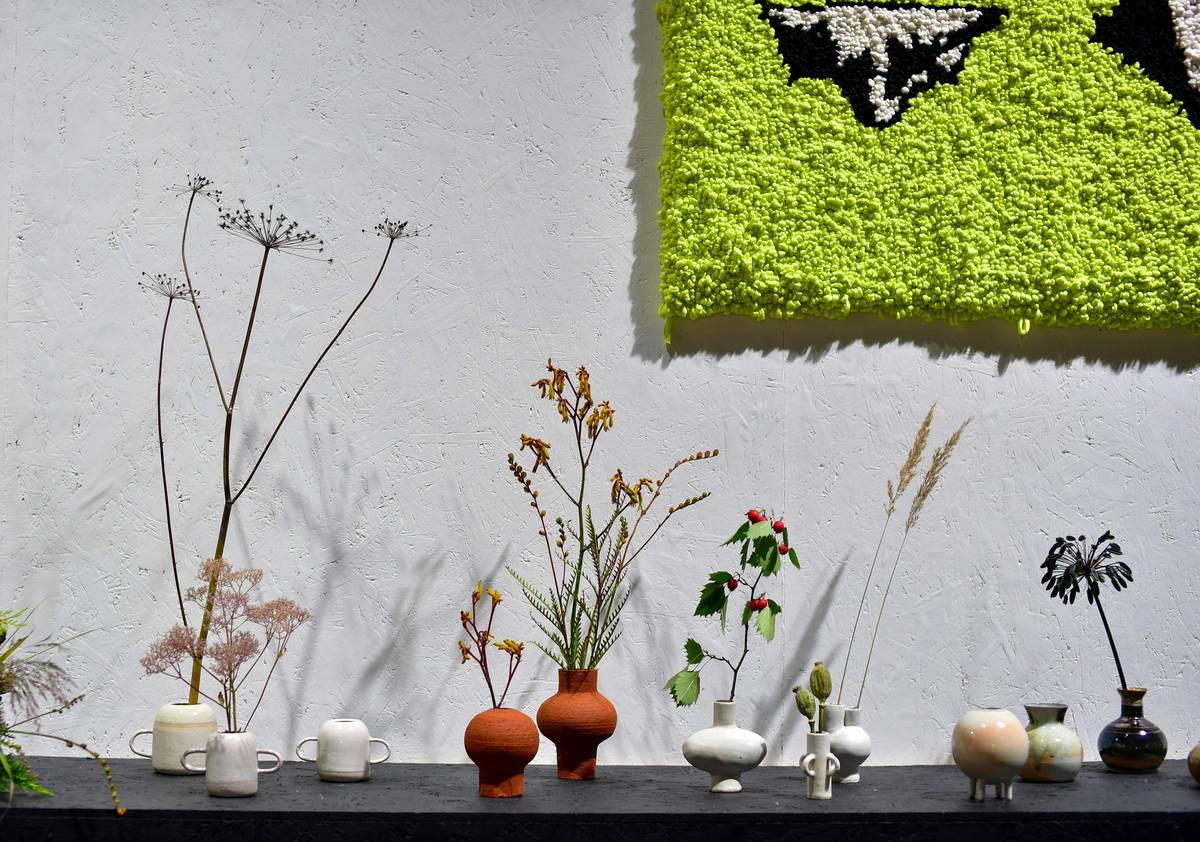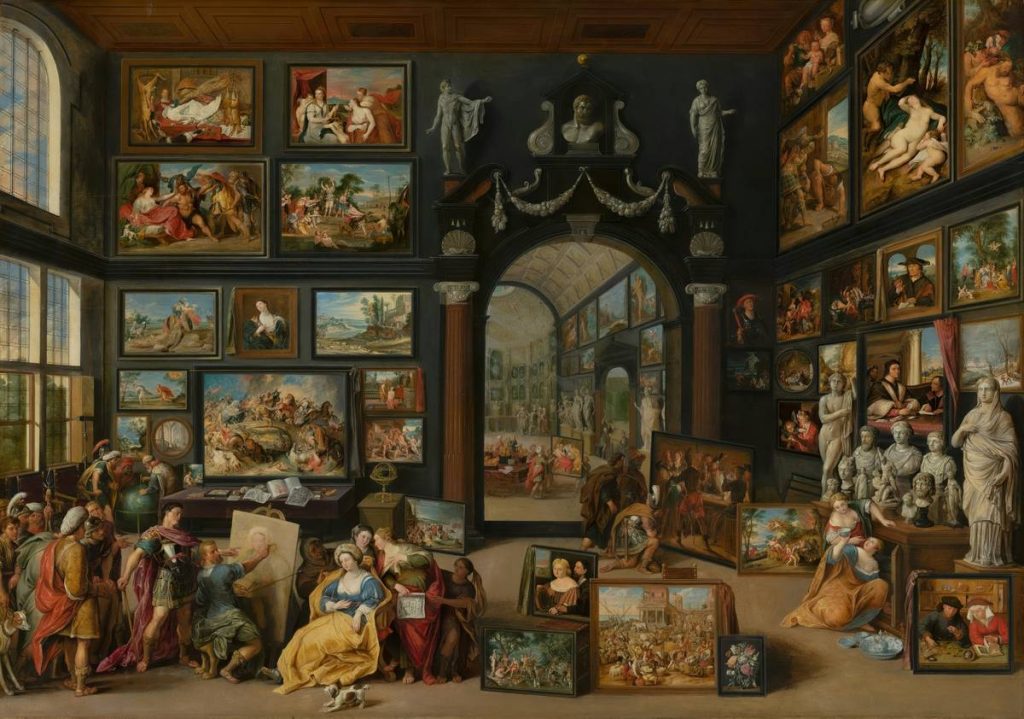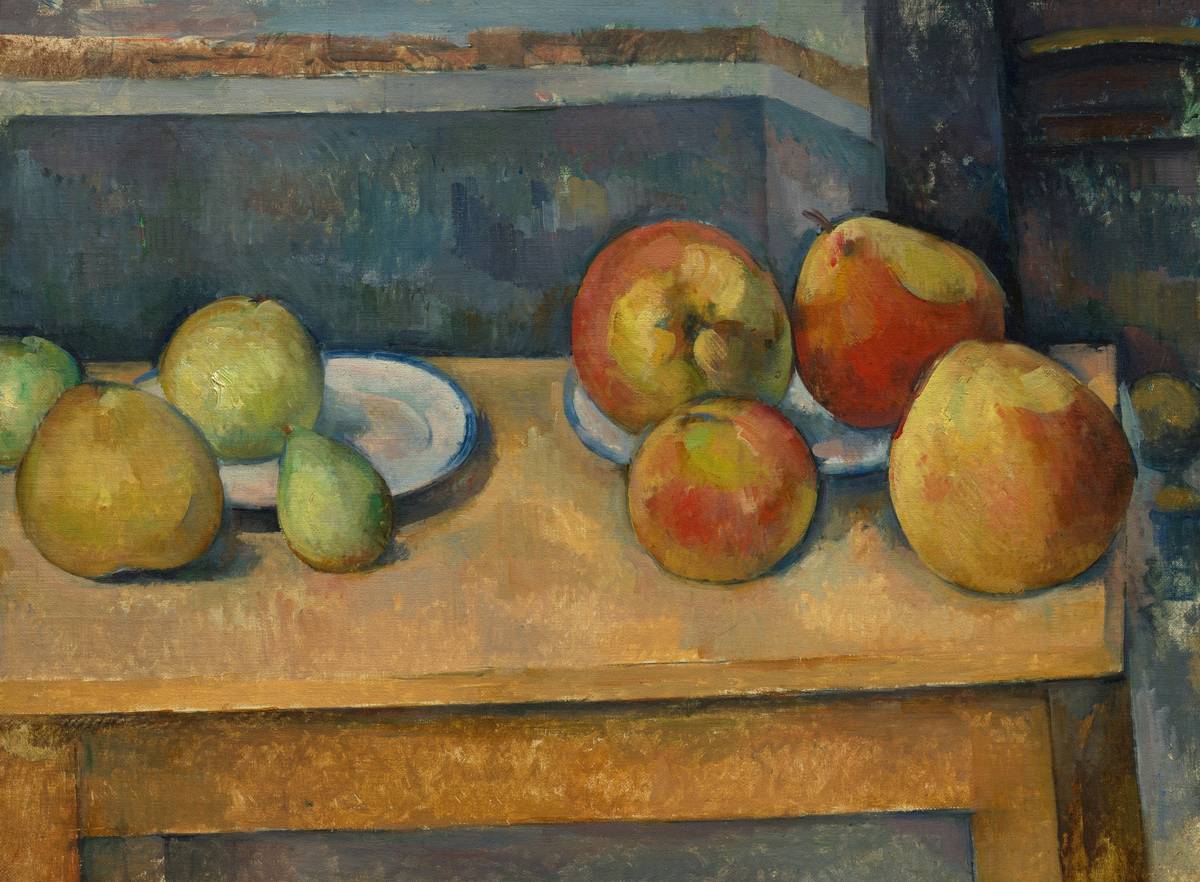
You’ve hung generic prints. You’ve tried mass-produced wall art. And yet—your space still feels soulless. That’s because true interior depth doesn’t come from filler decor; it comes from intention. Enter still life artists and paintings: not just decoration, but visual storytelling that anchors a room in authenticity.
Why Most Homeowners Get Still Life Decor All Wrong
They treat still life as background noise. A floral vase here, some fruit there—thrown up like wallpaper. But still life isn’t passive. At its core, it’s about tension: light vs. shadow, decay vs. abundance, simplicity vs. opulence. Yet 90% of buyers choose pieces based on color match alone—ignoring composition, era, and emotional weight. The result? Art that blends into the drywall.
And no—ordering a “vintage-style” canvas from a big-box retailer won’t cut it. Those lack brushstroke texture, pigment depth, and the subtle imperfections that signal human hand over algorithmic print.
How to Integrate Still Life Paintings Into Your Home—Without Looking Like a Museum Replica
Step 1: Match Mood, Not Just Furniture
A Dutch Golden Age still life—rich with skulls, wilting tulips, and half-eaten bread—thrives in moody, layered rooms. But drop it in a minimalist Scandi loft? It screams dissonance. Ask: Does this piece amplify the feeling I want here? Calm? Opulence? Nostalgia?
Step 2: Scale With Purpose
Oversized fruit bowls overwhelm small spaces. Tiny vanitas disappear above a console. Rule of thumb: painting width should be ⅔ to ¾ of your furniture below it. And hang center at 57–60 inches from the floor—eye level for most adults.
Step 3: Layer Lighting Like a Pro
Still life thrives on chiaroscuro—the interplay of light and dark. Use directional LED picture lights or nearby floor lamps with warm bulbs (2700K) to cast gentle highlights across textures. Avoid flat overhead lighting—it flattens dimensionality.
| Approach | Cost Range | Authenticity Level | Best For |
|---|---|---|---|
| Commission emerging artist | $300–$1,200 | ★★★★★ | Custom size, personal symbolism |
| Buy vintage (estate sales, auctions) | $150–$800 | ★★★★☆ | Historical patina, provenance |
| Museum-quality reproduction | $80–$400 | ★★☆☆☆ | Rental homes, low-commitment spaces |
| Mass-market print | $20–$60 | ★☆☆☆☆ | Temporary staging only |
The Industry Secret: Still Life Isn’t About Objects—It’s About Negative Space
Here’s what galleries won’t tell you: the emptiness around the lemons matters more than the lemons themselves. Veteran collectors don’t just admire what’s painted—they study what’s left out. That void? It’s where your eye rests. Where breath enters the composition. In home decor, this translates to placement discipline. Don’t crowd your still life between shelves, mirrors, and sconces. Give it breathing room—like a solo violin in an orchestra. One client of mine swapped a busy gallery wall for a single 18th-century Dutch still life on a bare plaster wall. The transformation? Guests stopped talking. They just… looked.
Frequently Asked Questions
What makes a great still life painting for home use?
Look for balanced composition, warm tonal range, and enough visual interest to reward repeated viewing—without overwhelming your existing palette.
Are modern still life artists worth collecting?
Absolutely. Contemporary creators reinterpret tradition with bold color or surreal objects—making them ideal for bridging classic art with modern interiors.
How do I clean or maintain oil-based still life paintings?
Never use water or cleaners. Dust gently with a soft, dry brush. Keep away from direct sunlight and humidity swings to prevent cracking.