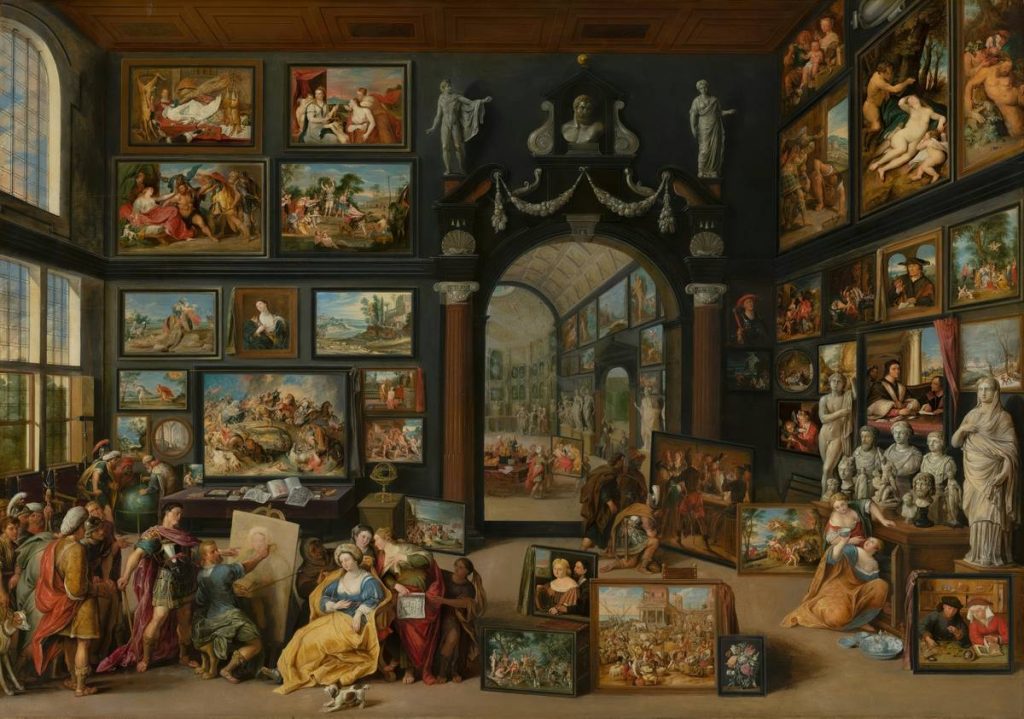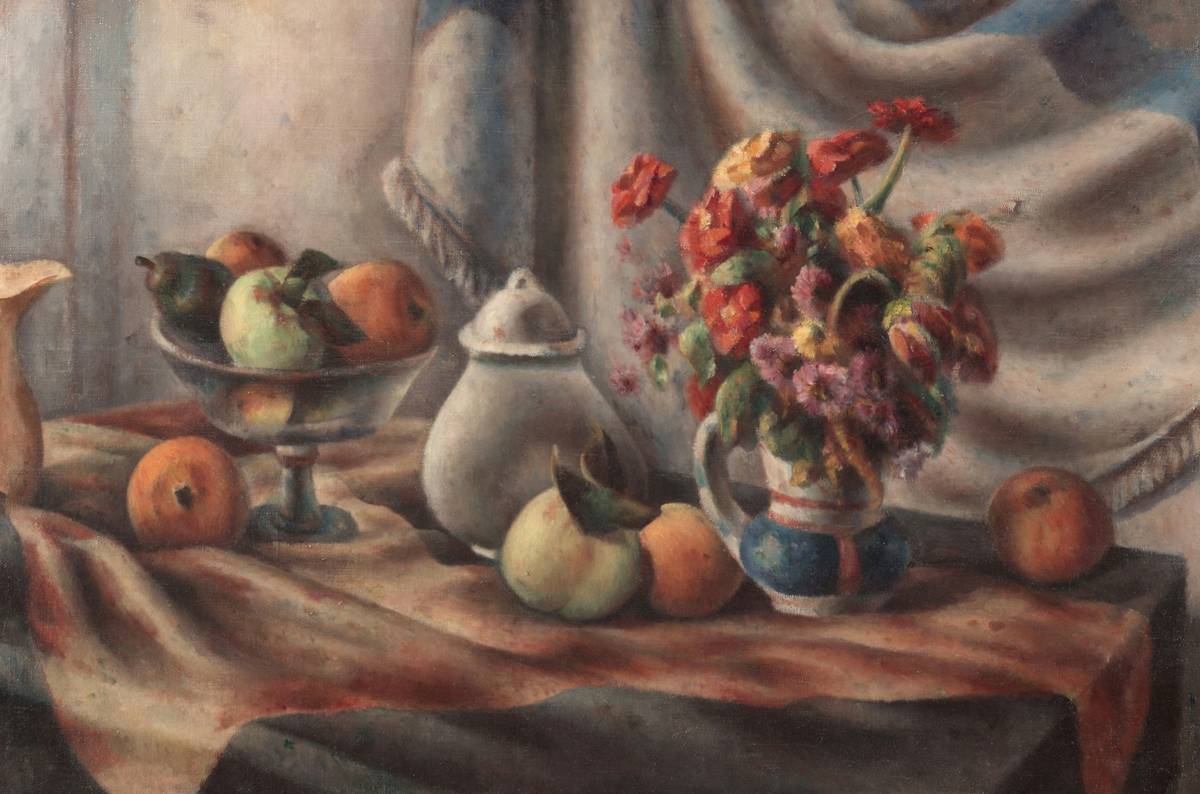
You’ve scrolled past a dozen minimalist prints. You’ve hung abstract canvases that scream “trying too hard.” Yet your space still feels soulless—like a showroom, not a home. The problem isn’t your taste. It’s that modern decor ignores emotional resonance. Vintage still life paintings solve this. They’re not just art—they’re quiet storytellers that anchor a room in authenticity.
The Core Problem: Why Mass-Market Art Leaves Rooms Feeling Empty
Most wall decor today is algorithmically designed—safe, scalable, and sterile. It matches your couch but says nothing about you. And that’s by design. Big-box retailers churn out “neutral” pieces optimized for broad appeal, not personal connection. Think about it: when was the last time a factory-printed floral print made you pause mid-step? Never. Because it wasn’t meant to. It’s visual filler—not a focal point.
Vintage still life paintings defy that emptiness. They carry patina, history, imperfection—the very things algorithms erase. But here’s the reality: not all old-looking art delivers. Many reproductions lack the subtle brushwork, depth, and narrative tension that make true vintage pieces compelling.
How to Source & Style Authentic Vintage Still Life Paintings (Without Overpaying)
Forget spending thousands at auction houses. You can find meaningful pieces—if you know where to look and how to vet them.
Where to Hunt for Genuine Pieces
Estate sales in historic neighborhoods often yield overlooked gems. Local antique co-ops? Goldmines—especially if they specialize in 19th or early 20th-century European or American decorative arts. Online marketplaces like Etsy or Chairish work—but only if you filter for “original oil on canvas” and demand high-res detail shots of craquelure and frame backing.
What to Check Before Buying
Flip the painting over. Real vintage works often have handwritten labels, gallery stamps, or even artist signatures on the stretcher bars. Examine the surface under angled light—genuine age shows fine cracks (craquelure) that follow the paint layers, not uniform printed patterns. And smell it. Seriously. Old varnish and linseed oil have a distinct, slightly sweet dryness that fakes can’t replicate.
Framing & Placement That Elevates Impact
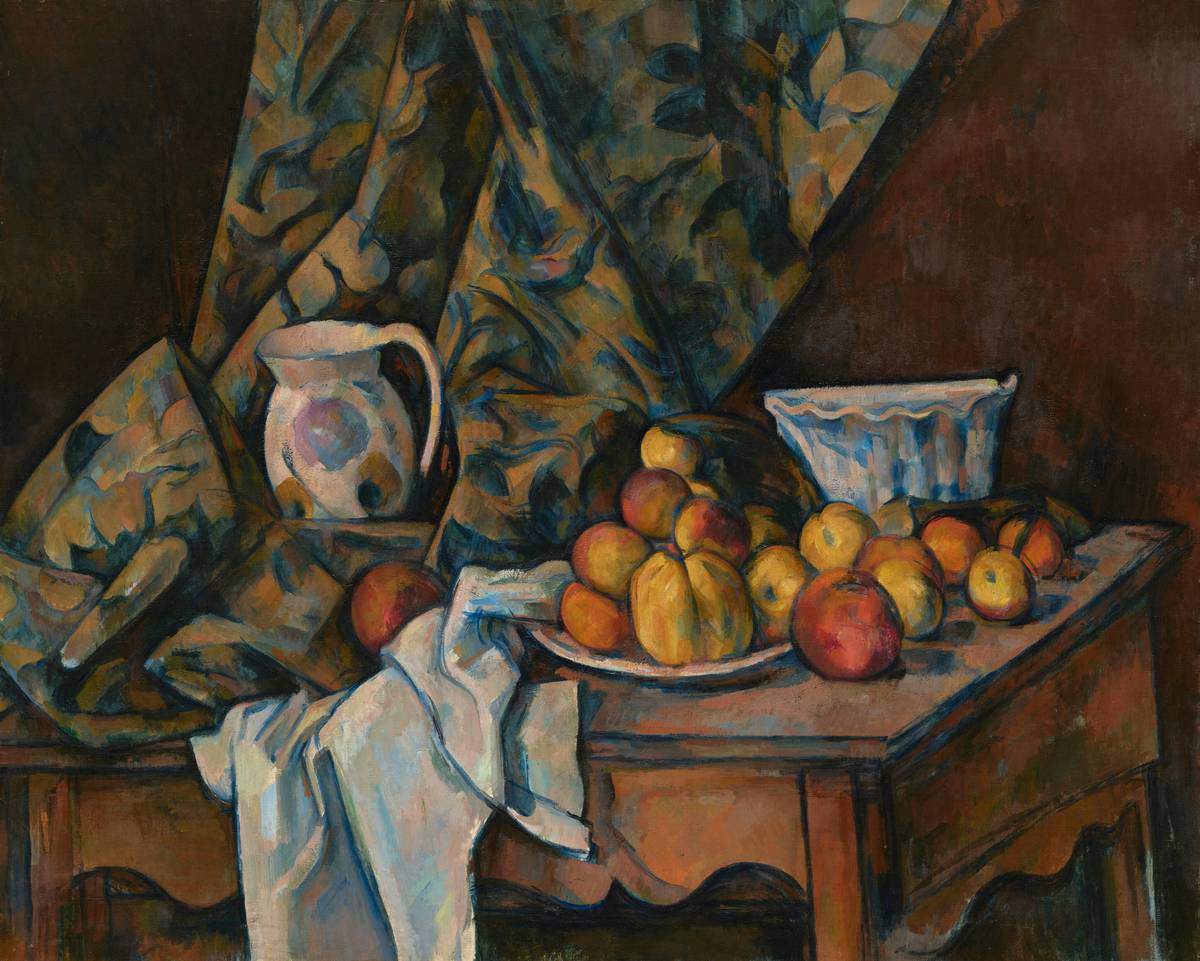
Don’t default to matching your existing frames. A weathered gilt frame on a Dutch-inspired fruit bowl? Perfect over a dark walnut sideboard. A simple oak Arts and Crafts frame? Ideal beside an Eames chair—it creates tension between eras that feels intentional, not accidental. Hang lower than you think—eye level for seated viewers in living rooms, not standing height.
| Sourcing Method | Average Price Range | Authenticity Risk | Time Investment |
|---|---|---|---|
| Estate Sales / Auctions | $80 – $600 | Low (if inspected in person) | High (requires research & legwork) |
| Antique Co-ops | $120 – $900 | Medium (dealer knowledge varies) | Medium |
| Online Marketplaces (vetted sellers) | $60 – $400 | High (without detailed photos) | Low |
| Mass Retail Reproductions | $20 – $150 | Very High (almost always fake) | Negligible |
The Industry Secret: Dealers Know These Paintings “Anchor” Modern Interiors Better Than Any Trend
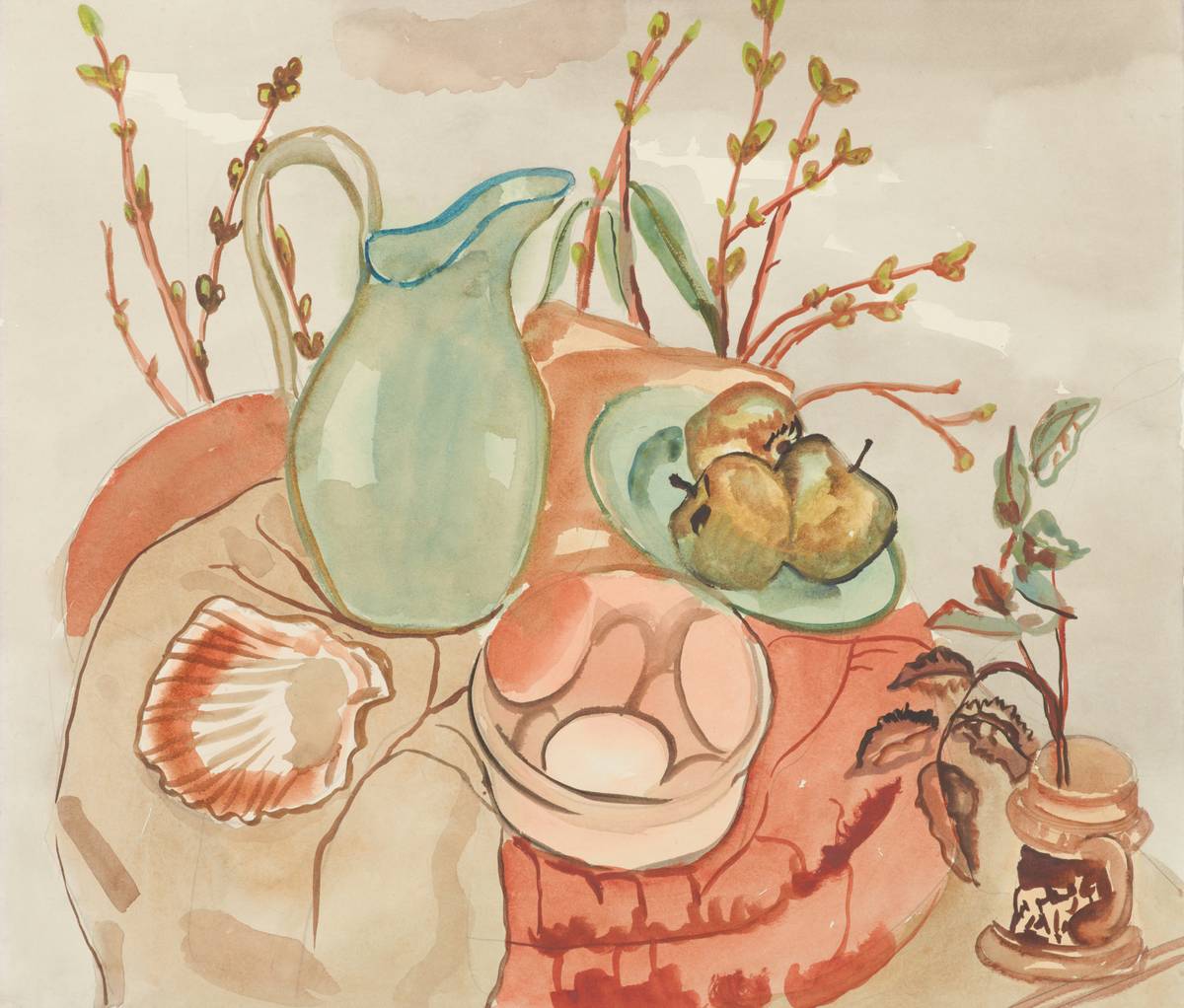
Here’s what top interior stylists won’t tell you: vintage still life paintings act as emotional ballast. In open-plan lofts flooded with natural light and cold materials (concrete, steel, glass), a centuries-old depiction of wilting peonies or bruised apples reintroduces humanity. It whispers “lived-in,” not “staged.” One New York designer I spoke with admits she keeps three anonymous 1800s fruit studies on rotation—swapping them depending on client mood. “They make minimalism feel warm without clutter,” she told me. “No new art does that.” The math is simple: contrast creates comfort. A hyper-modern space needs something imperfectly human to feel complete—and vintage still life delivers that quietly, powerfully.
Frequently Asked Questions
Are vintage still life paintings valuable?
Only some are monetarily valuable—but nearly all have aesthetic worth. Focus on condition, composition, and emotional pull over famous names.
How do I clean an old still life painting?
Never use water or household cleaners. Dust gently with a soft sable brush. For deeper cleaning, consult a conservator—improper handling can destroy original varnish.
Can I mix vintage still life with modern decor?
Absolutely. Pair a 19th-century floral study with a sleek credenza. The contrast adds depth—just ensure tonal harmony (e.g., shared earth tones or muted palettes).